Expert Engineering Reports for Comprehensive Seawall Inspections, Repairs, and Full Construction.

Seawall Inspection in Fort Lauderdale
Waterfront properties in Fort Lauderdale face constant exposure to saltwater, tides, storm surge, and soil washout. Souffront Contractors & Engineers provides professional seawall inspections in Fort Lauderdale with a complete documentation package—engineer-sealed reports, HD video, and high-resolution photos—so you can identify issues early and plan the right repairs before damage becomes expensive.


Trusted Seawall Inspections in Fort Lauderdale
Your waterfront property deserves protection that starts with knowing exactly what's happening beneath the surface. We check seawalls across Fort Lauderdale to spot trouble before it becomes expensive damage.
Our crew examines everything above and below the waterline. We look at tiebacks, caps, joints, and drainage systems to find cracks, erosion, and weak spots that could put your property at risk.
After the inspection, you get a complete report sealed by a licensed engineer. This includes clear photos, HD video footage, and step-by-step repair suggestions that satisfy Broward County codes.
Schedule your inspection today with Seawall Inspection Pro and gain peace of mind about your waterfront investment.
Serving Condo Buildings, HOAs, Marinas & Waterfront Homes
Your seawall protects your property from the water. We inspect seawalls for HOAs, condo owners, homeowners, and commercial properties along Florida's coast. Every waterfront property faces different problems.
HOA Communities manage long stretches of shared seawall. Cracks, erosion, and settling can appear anywhere along the boundary. We walk the full length and document every issue.
Condo Buildings sit on valuable waterfront land. The seawall holds back tidal forces and storm surge. Board members need clear reports for reserve studies and budget planning.
Private Homes on the Intracoastal Waterway or canals depend on smaller seawall sections. We check cap conditions, weep holes, tiebacks, and soil stability behind the wall.
Commercial Marinas and docks handle boat traffic, fuel pumps, and heavy equipment. The seawall takes constant stress from wakes, mooring lines, and load pressure.
We adjust our inspection methods to fit your property type. You get a written report with photos, condition ratings, and repair priorities. The report helps you plan maintenance, set budgets, and meet county permit requirements. Your seawall is the first defense against water damage. Know its condition before problems grow.
Fort Lauderdale sits on the water. Salt eats at concrete. Tides push and pull. Hurricanes pound the coast. Your seawall takes this punishment every day. Regular inspections catch problems early. They stop small cracks from becoming disasters.
What inspections protect:
Property value – A failing seawall scares buyers. It drops your asking price. Broward County appraisers notice damage.
Structural safety – Cracks spread fast in marine environments. One bad storm season can turn a hairline fracture into a collapsed wall.
Your foundation – When seawalls fail, soil erodes. The Intracoastal Waterway doesn't wait. Water undermines homes, docks, and landscaping.
Different materials need different care:
Concrete seawalls crack and spall
Steel sheet piling rusts below the waterline
Vinyl bulkheads can warp or separate at joints
South Florida's wet season accelerates all damage. A crack you spotted in March might undermine your yard by October.
Get your seawall checked before the damage spreads. The inspection costs far less than emergency repairs or property loss.
Why Seawall Inspections Are Vital in Fort Lauderdale
A seawall inspection is a thorough evaluation of your waterfront barrier's structural integrity and overall condition.
We assess everything from visible cracks and erosion to underwater deterioration that could compromise your property's protection.
Understanding what goes into these inspections helps you recognize why they're essential for safeguarding your Fort Lauderdale investment.
What Is a Seawall Inspection?
Please Fill The Form
What We Inspect During a Seawall Inspection
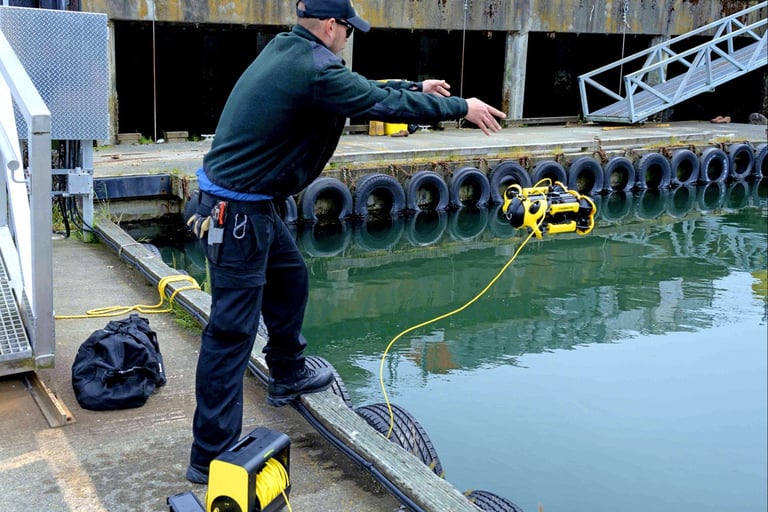
During a seawall inspection, we examine every component that affects your wall's stability and performance.
Our assessment covers above-water structural elements, underwater conditions when necessary, and critical features like tiebacks, caps, joints, and drainage systems.
Each of these areas can reveal early warning signs of deterioration that threaten your property's waterfront protection.
Above-Water Structural Checks
The visible portion of your seawall tells a story. We look for warning signs that point to structural damage or decay.
Our above-water inspection covers:
Crack assessment – We measure crack width, length, and pattern. This tells us how bad the damage is and what caused it.
Cap condition – We check the concrete cap for spalling, shifting, or gaps between the cap and wall panels.
Tiebacks and anchors – We examine exposed steel hardware for rust or failure.
Good seawall maintenance starts with finding problems early. As a seawall inspection specialist, If we spot trouble during this visual check, you need more frequent inspections.
Underwater Inspection (When Needed)
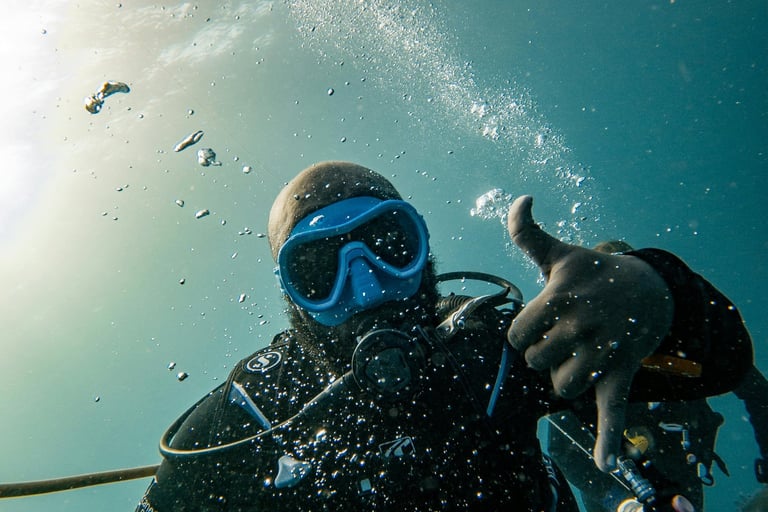
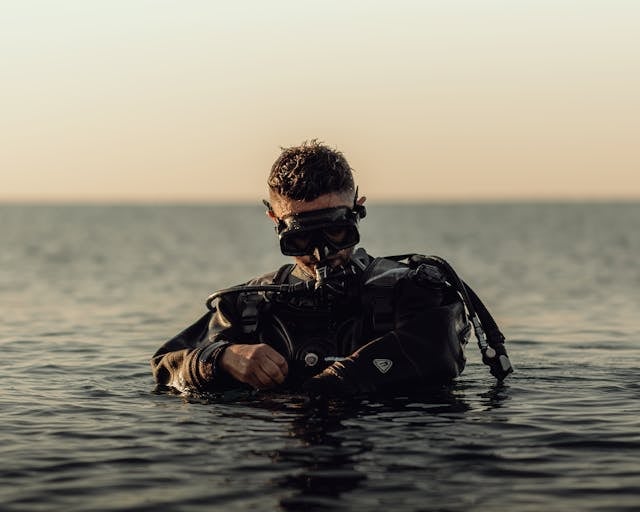
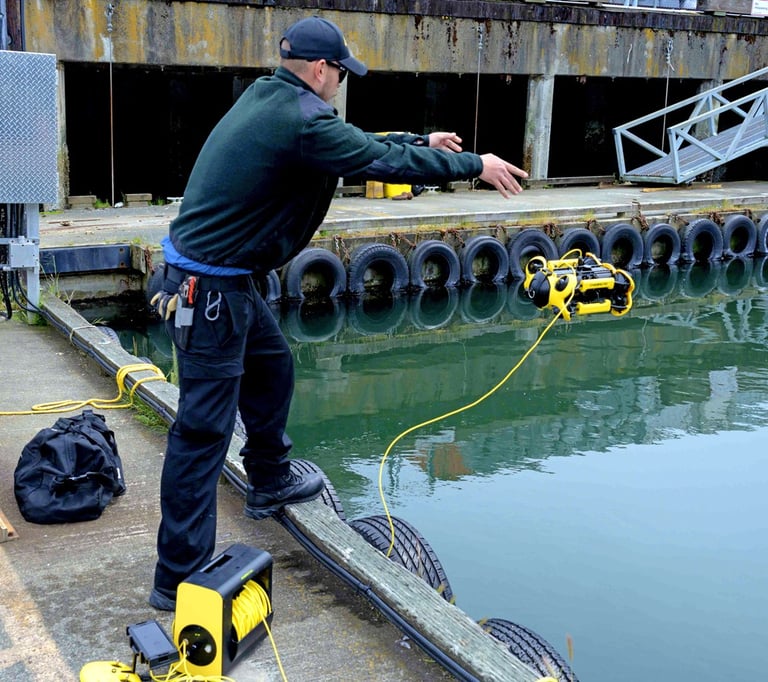
Surface checks catch many problems. But the worst damage often sits below the water. When warning signs point to deep trouble, we send divers or cameras down to look at what the dock hides.
We use underwater robots and sonar equipment to check submerged concrete walls, steel sheet piling, and timber foundations. These tools show us cracks, rust, erosion, joint gaps, and barnacle buildup that covers rotting material.
Not every seawall needs this step. We suggest it when we spot major settling, strange water seepage through the wall, or sections that have shifted or tilted during our walk-through above water.
Tiebacks, Caps, Joints & Drainage
Four parts work together to keep your seawall strong against water pressure.
Tiebacks – We check the steel anchor rods that connect your wall to concrete deadmen buried in the soil behind it. Rust and corrosion weaken these anchors over time. When Tiebacks fail, walls tilt toward the water and collapse.
Caps and Joints – We look at the concrete cap running along the top of your seawall. Cracks let saltwater seep inside. We also check the sealant between wall panels. Bad joints speed up concrete damage from the inside.
Drainage Systems – We test weep holes and filter fabric that let groundwater escape. Dirt and debris block these drains over time.
When water builds up behind your wall, hydrostatic pressure pushes against the structure. This pressure causes more seawall failures in Fort Lauderdale than any other problem.
Engineer-Sealed Report, Photos & HD Video
A professional seawall inspection gives you a complete documentation package. You get facts. You get proof. You get answers.
Engineer-sealed assessment — A licensed structural engineer evaluates your seawall. The report covers concrete condition, steel reinforcement, cap damage, and soil erosion. It lists what needs repair and when.
High-resolution photographs — Sharp images show cracks, spalling, rust stains, and weak spots. Each photo marks the location and size of the problem.
HD video footage — Our divers record underwater conditions with professional cameras. You see the toe, panels, and sediment loss below the waterline. Surface footage captures the full seawall length.
This documentation serves multiple purposes. Use it for repair planning. Submit it to your insurance company. Attach it to permit applications in Fort Lauderdale.
The engineer's seal meets Broward County requirements. You own the report. You control the next steps.
Findings + Repair Recommendations / Next Steps
Every seawall faces different conditions. Your inspection report gives you specific findings for your property. We document each crack, void, and weak spot. We measure everything and rate how serious each problem is.
Our repair recommendations put the biggest threats first. We start with safety issues that need fast action. Then we cover preventive maintenance that stops small problems from growing. You get cost estimates and timelines for each repair. This helps you plan your budget.
The report sets up an inspection schedule based on three things: your seawall's age, what materials it uses, and how much wave and tidal action it takes. Some seawalls need yearly checks. Others can wait two years between inspections. We tell you which schedule fits your situation.
You walk away with a clear action plan. You know what to fix now. You know what to watch. You know when to call us back. Your waterfront property stays protected.
What’s Included in a Seawall Inspection Report
After we complete your seawall inspection, you'll receive a thorough engineer-sealed report documenting everything we found. This report includes detailed photos and HD video of your seawall's condition, giving you clear visual evidence of any problem areas. We also provide our findings along with specific repair recommendations and next steps, so you'll know exactly what actions to take.
When Should a Seawall Inspection Be Performed?
We recommend scheduling seawall inspections annually, with additional assessments before and after hurricane season to catch storm-related damage early.
Beyond routine maintenance checks, you'll need a professional inspection when buying or selling waterfront property, applying for insurance coverage, obtaining construction permits, or planning capital improvements for your HOA.
These strategic inspection points help you stay ahead of costly repairs and maintain compliance with local regulations.
Fast Reports
Get fast, detailed seawall reports 12-48 hours after inspection expedited services are available.
Comprehensive Evaluations
Our comprehensive assessment ensures a thorough inspection of all seawall components, identifying structural issues and potential risks
Write a short text about your service. Highlight key benefits for potential clients.
Fast Estimate with Repairs
Annual Inspections + Pre/Post Storm Season
Smart inspection timing separates small repairs from expensive failures.
Schedule your seawall inspections on this timeline:
Annual baseline inspection – Check your seawall every year. Document cracks, erosion, and tie-back condition. Track changes from year to year.
Pre-storm season assessment – Inspect before June 1st. Fix weak spots before Atlantic hurricane season arrives. Check concrete integrity, steel reinforcement, and drainage systems.
Post-storm evaluation – Walk your seawall after any major storm. Look for new cracks, soil loss, or shifted panels. Salt water and wave action cause hidden damage.
Fort Lauderdale sits in a high-risk hurricane zone. The Intracoastal Waterway and Atlantic Ocean expose local seawalls to constant stress.
Waiting for visible damage costs more money. Proactive inspections protect your property and keep your waterfront safe.
For Real Estate, Insurance, Permitting, HOA Planning
When You Need a Seawall Inspection Right Away Regular maintenance matters. But some situations call for an inspection now. Buying or Selling Waterfront Property****
A seawall inspection protects your money. It confirms what the property is worth. Buyers need to know what they're getting. Sellers need proof their seawall stands strong.
Insurance Requirements
Insurance companies want documentation. Many require seawall condition reports before they write a policy. Others ask for updates at renewal time.No report means no coverage.
Permits for Construction
Planning a dock addition? Building a pool near the water? Fort Lauderdale permit offices often require current inspection reports. The city wants proof your seawall can handle the work.
HOA Budget Planning
Community association boards need solid numbers. A marine engineer assessment helps them plan reserve funds. It guides long-term seawall repair budgets for the entire waterfront community.
The Smart Move
Schedule your inspection before the transaction closes. Get it done before construction starts. This stops expensive problems before they happen. You make better choices about your South Florida waterfront investment when you have facts in hand.
Seawall Repairs After Inspection
Once we've completed your seawall inspection, we'll identify exactly what repairs your structure needs to restore its integrity. The most common issues we encounter include crack repair, cap replacement, drainage improvements, void filling behind the wall, and tieback installation or reinforcement. Let's break down each of these repairs so you'll understand what to expect if our inspection reveals any of these problems.
Common Repairs (cracks, caps, drainage, voids, tiebacks)
Cracks in seawall panels show up often during Fort Lauderdale inspections. They signal deeper structural problems. Good seawall maintenance means fixing these weak spots early.
We see these repair needs regularly:
Cap restoration – Broken concrete caps let water seep in. This speeds up damage to the whole structure.
Drainage fixes – Blocked weep holes trap water behind the wall. This builds hydrostatic pressure that pushes against panels.
Void filling and tieback work – Soil washes away over time. Steel anchors rust and fail. Both problems weaken the wall's hold on the shoreline.
Each repair targets a specific cause. We check your seawall and determine which fixes it needs for long-term strength.
When to Schedule a Seawall Inspection
Annual Inspections + Pre/Post Storm Season
Many owners schedule inspections annually and after major storm activity to catch washout and movement early.
Warning Signs That Need Immediate Attention
If you see any of the following, don’t wait:
Sinkholes or depressions near the seawall
Noticeable leaning, bowing, or shifting sections
Cracks that are widening or recurring
Persistent seepage or pooling water
Rust stains or crumbling concrete
Gaps at joints, cap separation, or missing sections
Request a Free Quote Sameday
Or Give Us a Call (877)420-7220
Request a Free Quote Same Day
Get fast, Detailed Seawall Inspection Reports
Expedited Services Are Available
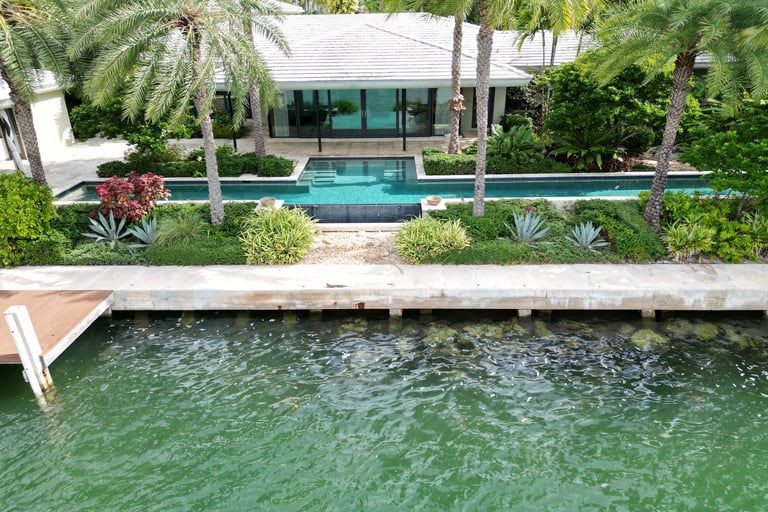
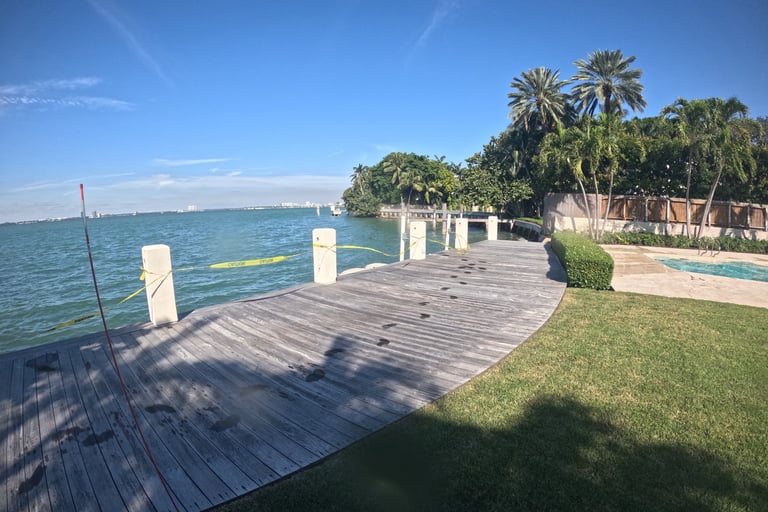
Cracks, shifting, or erosion on your seawall demand fast action. Call a licensed marine contractor for an inspection. Small problems become expensive failures when ignored.
Take these steps:
Photograph the damage. Write notes about what you see. Keep records for insurance claims.
Keep heavy boats, equipment, and fill material away from the damaged section.
Get three quotes from certified seawall repair specialists.
Hairline cracks grow into structural failures within weeks. Saltwater intrusion weakens concrete and corrodes steel reinforcement. Tidal pressure exploits every gap.
A proper inspection reveals the scope of repair work. It helps you plan costs for concrete patching, steel sheet replacement, or full seawall reconstruction.
Act now. The next storm surge won't wait.
Do you perform underwater inspections?
Underwater Inspections
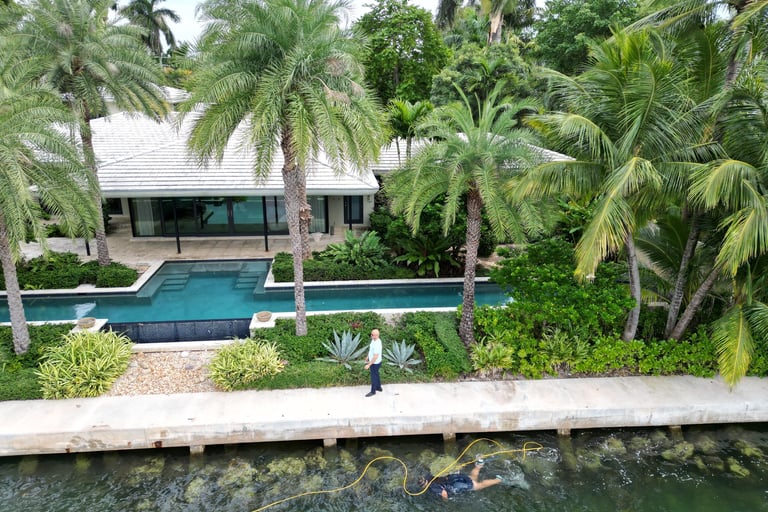
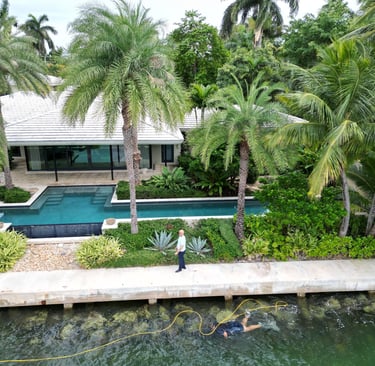
We inspect seawalls below the waterline throughout Fort Lauderdale. Our divers and marine technicians use cameras and sonar to see what you can't see from your dock.
Salt water hides problems. Cracks form in concrete. Joints pull apart. Sand washes out from behind the wall. The foundation erodes. These issues weaken your seawall before any damage shows above water.
We check every inch of the submerged structure. Our crew records video footage and takes measurements. You get a full report with photos showing the exact condition of your seawall.
Finding damage early costs less than emergency repairs. A proper underwater survey protects your canal-front property and keeps your seawall standing strong against tides and storms.
What to Do When You See Seawall Damage
Schedule a Seawall Inspection in Fort Lauderdale
Fort Lauderdale's saltwater and tidal shifts silently erode seawalls every day. Don't wait for cracks, erosion, or costly collapses — schedule your professional inspection with Seawall Inspection Pros today. Our certified experts identify damage early, saving you thousands in repairs. Serving all of Fort Lauderdale. Call now for your free assessment and keep your waterfront property safe and sound!
© 2012-2024 Souffront Contractors & Engineers | All Rights Reserved
Estimates@souffrontcontractors.com
Phone: 877-420-7220
© 2024. All rights reserved.